
3DVRVIDEO NET - Nature and Travel Blog

Nature - Travel - Animals photos from Us.

Pula city to continue - part 1


Pula: A Mediterranean Jewel Where Roman Grandeur Meets Istrian Charm

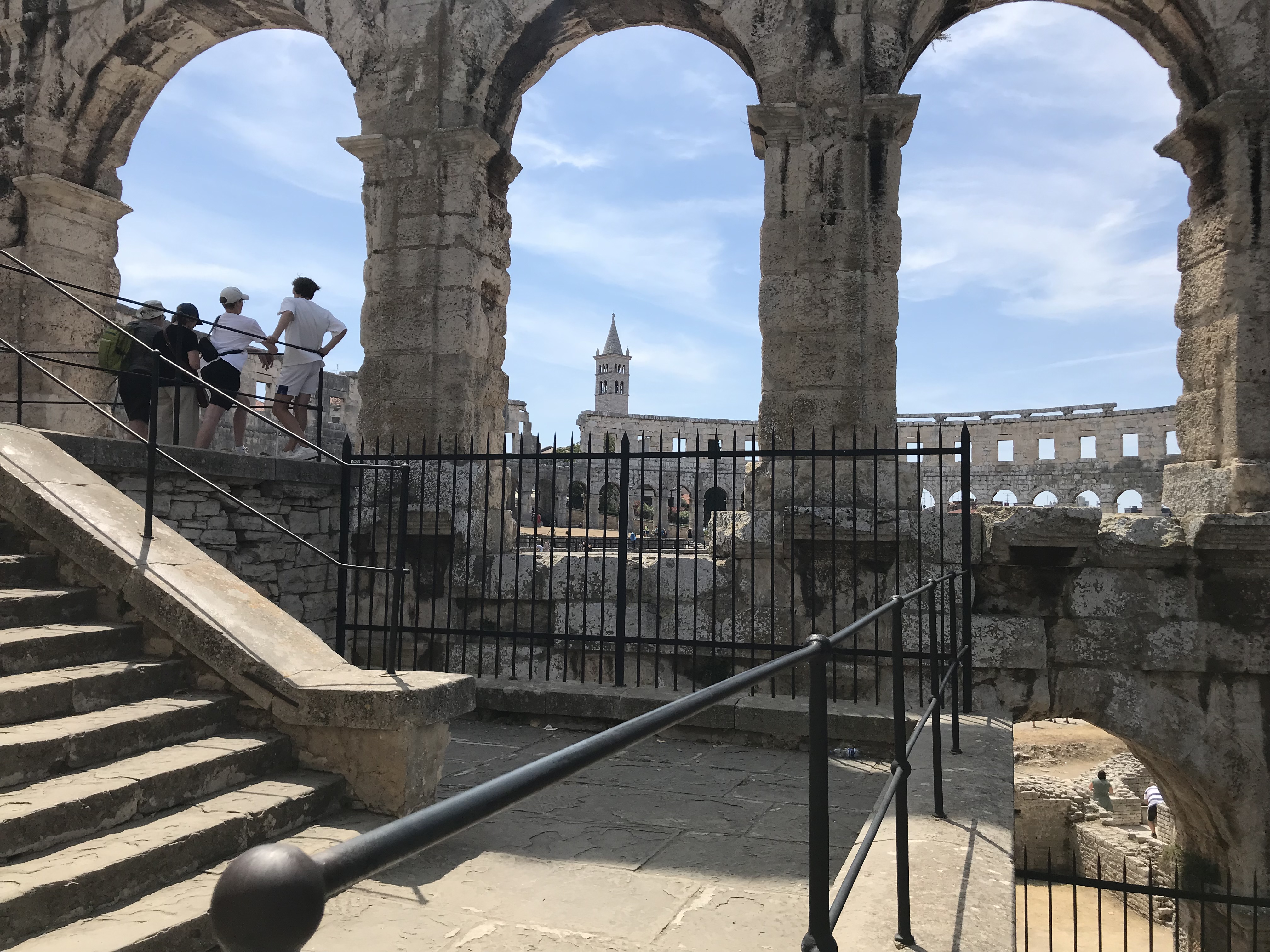
Perched on the southern tip of Croatia's Istrian peninsula, Pula is a compact yet surprisingly rich tapestry of history, culture, and seaside leisure. Its most iconic landmark, the Pula Arena, is one of the best‑preserved Roman amphitheatres in the world—a massive stone ellipsis that once hosted gladiatorial combats and now stages opera, concerts and the famous “Out‑Rocker” music festival. Walking the arena's ancient stone steps instantly transports visitors back to the first centuryAD, while the echo of modern applause reminds them that the city knows how to blend past and present.

Beyond the amphitheatre, Pula's historic core is a maze of Venetian-style piazzas, pastel-hued houses, and Gothic-Renaissance churches such as the Basilica of the Euphrasian Martyrium, a UNESCO-listed masterpiece of early medieval art. The city's fortifications—like Kastel and the Gothic-byzantine Town Gate (Porta Pomeria)—still dominate the coastline, offering panoramic views of the Adriatic's turquoise waters and the surrounding olive groves that dot the rolling Istrian hills.

Pula's appeal is not limited to antiquities. Its eight sandy and pebble beaches, notably Verudela and Kamenjak, provide a relaxed counterpoint to the city's bustling squares, while the crystal-clear sea invites swimming, kayaking, and even sea-cave diving. Food lovers will find a culinary dialogue between Italian and Croatian influences: truffles from the inland forests, fresh Adriatic fish, and robust Istrian wines (Malvasia and Teran) are served in rustic taverns and sleek, seaside bistros alike.
Continue reading
  54 Hits
Tags:

small roman theatre in Pula

The small Roman theatre in Pula, Croatia is a remarkable historical site that offers a glimpse into the rich cultural heritage of the city. The theatre, built during the 1st century BC, is one of the best-preserved ancient Roman structures in the world. Its grandeur and architectural marvels continue to astonish visitors, making it a must-visit destination for tourists and history enthusiasts alike.

The theatre was originally designed to accommodate around 5,000 spectators and was used for various performances and events, including plays, musicals, and gladiator fights. It was not only a place of entertainment, but also served as a social and political hub for the citizens of Pula. The theatre's impressive acoustics and seating arrangement, with its semi-circular shape, allowed for a clear view and audibility of the performances from every seat.

As the centuries passed, the theatre faced several changes and challenges, including the invasion of the Huns in the 5th century and the conversion of the site into a quarry during the Middle Ages. However, its solid construction and strategic location on a hill protected it from complete destruction.

Today, visitors can marvel at the well-preserved stage, seating area, and the intricate architectural details of the theatre. The stage, with its impressive backdrop of columns and arches, still stands tall and serves as a testament to the skilled craftsmanship of the ancient Romans. The seating area, divided into three sections, has retained its original marble seats and offers a panoramic view of the surrounding landscape.

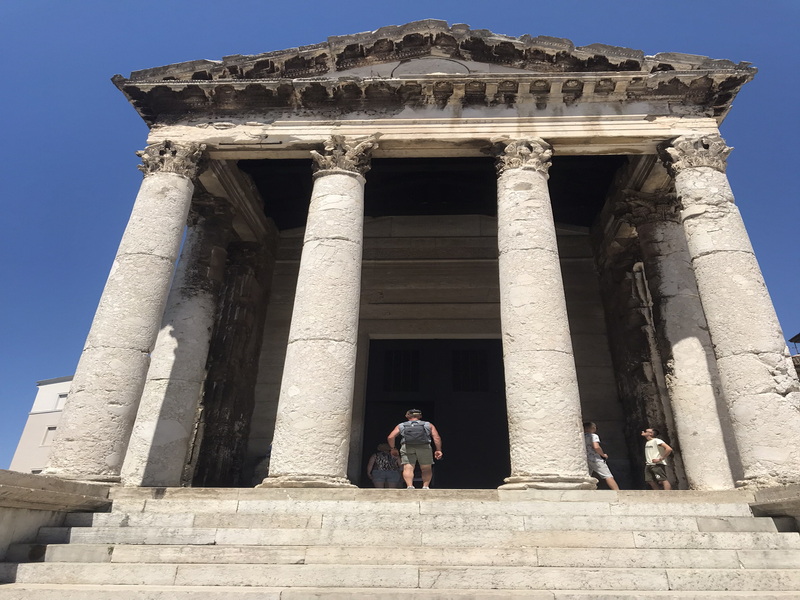
Apart from the main theatre, there are also several smaller structures surrounding the site, including the temple of Augustus, the entrance gate, and the sacristy, which provide a glimpse into the religious and administrative aspects of ancient Roman society.

Continue reading
  2007 Hits

Kaštel fortress in city Pula Croatia

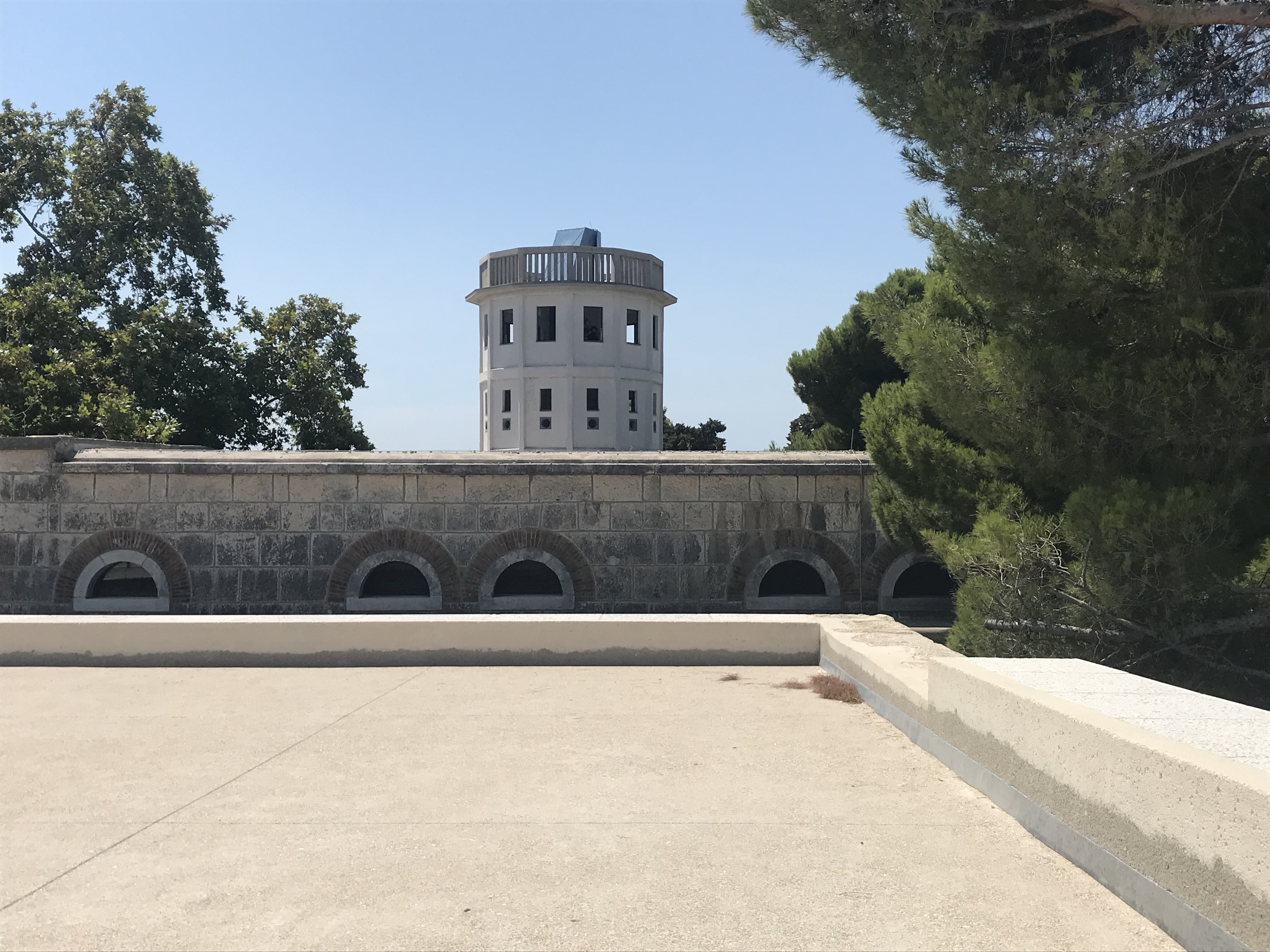
Fortress Kaštel is a historic monument located in the beautiful city of Pula, Croatia. It stands tall on top of a hill, overlooking the stunning Adriatic Sea. The fortress has a rich history dating back to the Roman Empire, making it a must-visit destination for history enthusiasts. It was originally built as a defensive structure to protect the city from invasions, and has been used by various rulers and empires throughout the centuries.

Walking through the fortress, one can feel the weight of its past and the significance it holds in the city's history. The walls are made of stone and are incredibly well-preserved, showcasing the skilled craftsmanship of the builders. As you explore the fortress, you can see a mix of Roman, Byzantine, and Venetian influences in its architecture, reflecting the different periods of its existence.

One of the most impressive features of Fortress Kaštel is the view from the top. From the highest point of the fortress, visitors can see the entire city of Pula and the sparkling blue sea beyond. It's a breathtaking sight that captures the essence of this charming Croatian city.

Aside from its historical significance, the fortress also offers a variety of cultural events and activities. During the summer months, the fortress hosts a variety of concerts, theater performances, and exhibitions, making it a hub for art and culture. This allows visitors to not only appreciate the beauty of the fortress but also experience the vibrant atmosphere of Pula.

Fortress Kaštel is also a popular spot for tourists to enjoy a leisurely stroll or have a picnic with a view. The surrounding park is well-maintained and provides a tranquil escape from the bustling city below. It's a perfect spot to relax and take in the beauty of the fortress and its surroundings.

Continue reading
  2009 Hits