3DVRVIDEO NET - Nature and Travel Blog

Nature - Travel - Animals photos from Us.

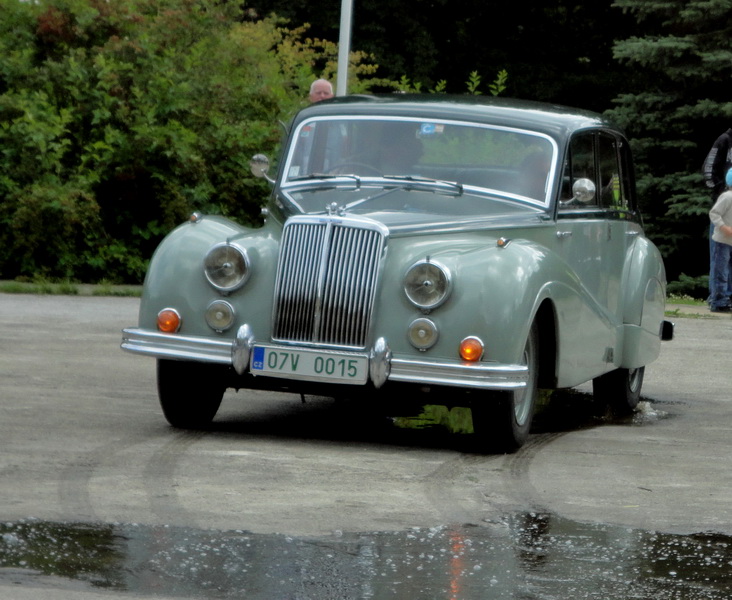
Exhibition of old cars and motorbikes in Marianske Lazne

Each summer, the picturesque spa town of Mariánské Lázně in the Czech Republic becomes a nostalgic haven for automotive enthusiasts with its annual exhibition of vintage cars and motorcycles. Set against the backdrop of neoclassical colonnades and lush parks, the event transforms the historic streets into an open-air museum of automotive heritage. Classic vehicles from the early 20th century to the golden age of motoring gather here, showcasing gleaming pre-war coupes, elegant postwar sedans, and rare motorcycles that rumble with history. Owners and collectors from across Europe proudly present meticulously restored machines, sharing stories of engineering ingenuity and bygone adventures. Beyond the vehicles, the exhibition offers live music, period costumes, and guided tours, creating a vibrant atmosphere that bridges generations. This celebration of mechanical artistry not only honors the evolution of transportation but also highlights Mariánské Lázně’s enduring charm as a cultural and historical gem.

Každé léto se malebné lázeňské město Mariánské Lázně v České republice stává nostalgickým útočištěm pro automobilové nadšence díky každoroční výstavě historických vozů a motocyklů. Tato akce, zasazená do kulisy neoklasicistních kolonád a bujných parků, proměňuje historické ulice v muzeum automobilového dědictví pod širým nebem. Shromažďují se zde klasická vozidla od počátku 20. století až po zlatý věk motorismu, která předvádějí lesklé předválečné kupé, elegantní poválečné sedany a vzácné motocykly, které duní historií. Majitelé a sběratelé z celé Evropy hrdě prezentují pečlivě zrestaurované stroje a sdílejí příběhy o inženýrské vynalézavosti a minulých dobrodružstvích. Kromě vozidel nabízí výstava živou hudbu, dobové kostýmy a komentované prohlídky, které vytvářejí živou atmosféru, jež propojuje generace. Tato oslava mechanického umění nejen ctí vývoj dopravy, ale také zdůrazňuje trvalé kouzlo Mariánských Lázní jako kulturního a historického klenotu.
 

  117 Hits

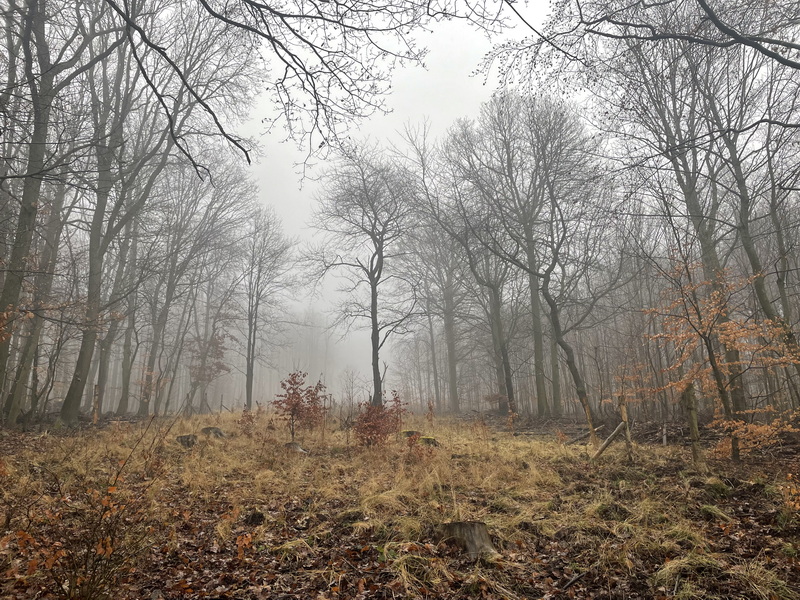
Rainy nature

When the sky darkens and a soft, steady drizzle begins, nature seems to inhale a deep, refreshing sigh. The scent of wet earth—petrichor—rises like a quiet perfume, mingling with the faint, metallic tang of rain on leaves. Every blade of grass glistens, each droplet catching and refracting light into tiny, trembling prisms. Trees, cloaked in a veil of moisture, sway gently as if dancing to an unseen rhythm, while the forest floor transforms into a mosaic of shimmering puddles that mirror the muted canopy above. The usual chorus of birds and insects is subdued, replaced by the gentle patter of rain on foliage, the occasional splash of a frog leaping into a puddle, and the distant rumble of thunder that rolls like a low, soothing drum.

Beyond the immediate sensory feast, rain bestows a subtle, restorative vigor on the landscape. It quenches thirsty roots, coaxing seedlings to push through the soil and prompting mosses to unfurl in luxuriant emerald carpets. Streams swell with newfound vigor, their currents singing a brighter, more urgent song that carries sediment downstream, reshaping riverbanks and nourishing wetlands. In this temporary, mist‑laden world, the ordinary is rendered extraordinary; the familiar becomes poetic, and the rhythm of rain reminds us that even the most tranquil scenes are alive with movement, growth, and the promise of renewal.

Když se obloha zatáhne a začne jemně, pravidelně mrholit, zdá se, že příroda si hluboce a osvěžující povzdechne. Vůně mokré země – petrichor – stoupá jako tichý parfém a mísí se se slabým kovovým pachem deště na listech. Každé stéblo trávy se třpytí, každá kapka zachycuje a láme světlo do drobných, chvějících se hranolů. Stromy, zahalené do závoje vlhkosti, se jemně pohupují, jako by tančily v neviditelném rytmu, zatímco lesní půda se proměňuje v mozaiku třpytivých kaluží, které zrcadlí tlumený korunu stromů nad nimi. Obvyklý sbor ptáků a hmyzu je tlumený a nahrazen jemným šustěním deště na listí, občasným šplouchnutím žáby skočící do louže a vzdáleným duněním hromu, které se valí jako tichý, uklidňující buben. Kromě bezprostřední smyslové hostiny déšť dodává krajině jemnou, regenerační energii. Hasí žíznivé kořeny, přemlouvá sazenice, aby se prodraly půdou, a podněcuje mechy, aby se rozvinuly v luxusních smaragdových kobercích. Potoky se rozlévají s nově nabytou silou, jejich proudy zpívají jasnější a naléhavější píseň, která unáší sedimenty po proudu, přetváří břehy řek a vyživuje mokřady. V tomto dočasném, mlhou zalitém světě se obyčejné stává mimořádným; známé se stává poetickým a rytmus deště nám připomíná, že i ty nejklidnější scény ožívají pohybem, růstem a příslibem obnovy.


  135 Hits

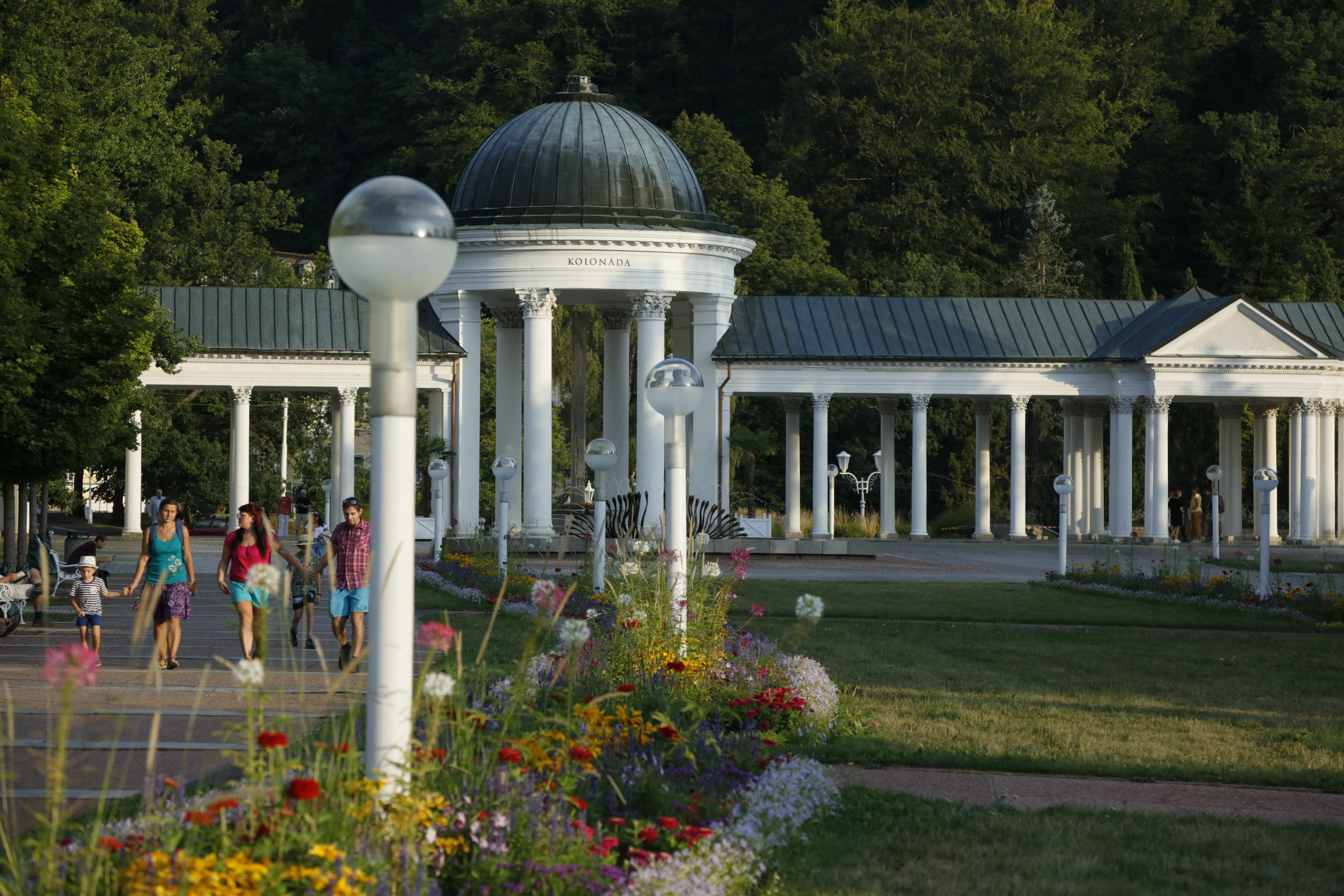
Mariánské Lázně

Nestled in the scenic hills of western Bohemia in the Czech Republic, Mariánské Lázně (Marienbad in German) is one of Europe’s most elegant and historic spa towns. Renowned for its healing thermal springs, mild climate, and lush green parks, the town has attracted visitors seeking wellness and rejuvenation since the 19th century. Its origins as a spa destination trace back to the early 1200s, but it was during the 1800s that Mariánské Lázně flourished under aristocratic patronage, drawing emperors, artists, and intellectuals such as Goethe, Beethoven, and Chopin. Today, the town impresses with its neoclassical and Art Nouveau architecture, tree-lined colonnades, and 100 natural mineral springs, including the famous Rusalka fountain. Surrounded by the rolling hills of the Slavkov Forest, it offers not only wellness treatments but also tranquil walks, cultural events, and a timeless charm that blends relaxation with refined elegance.

Mariánské Lázně (německy Marienbad), zasazené v malebných kopcích západních Čech v České republice, jsou jedním z nejelegantnějších a historicky nejúžasnějších lázeňských měst v Evropě. Město je proslulé svými léčivými termálními prameny, mírným podnebím a bujnou zelení a přitahuje návštěvníky hledající wellness a omlazení již od 19. století. Jeho počátky jako lázeňské destinace sahají až do počátku 13. století, ale teprve v 19. století Mariánské Lázně vzkvétaly pod aristokratickou patronácí a přitahovaly císaře, umělce a intelektuály, jako byli Goethe, Beethoven a Chopin. Dnes město ohromuje svou neoklasicistní a secesní architekturou, kolonádami lemovanými stromy a 100 přírodními minerálními prameny, včetně slavné kašny Rusalka. Obklopené zvlněnými kopci Slavkovského lesa, nabízí nejen wellness procedury, ale také klidné procházky, kulturní akce a nadčasové kouzlo, které spojuje relaxaci s vytříbenou elegancí.


  130 Hits

Čeńkova pila in Šumava

Čenkova pila, located in the heart of the Šumava mountain range in the Czech Republic, is a historically significant site that reflects the rich natural and cultural heritage of the region. Nestled in a remote, forested valley near the German border, this abandoned sawmill was once a bustling center of timber processing, fueled by the fast-flowing streams of the area. Established in the 18th century, Čenkova pila operated for generations, supporting the local economy through the logging and woodworking industries that thrived in Šumava. Today, only remnants of the mill and surrounding worker cabins remain, slowly being reclaimed by nature. These ruins are now protected within the Šumava National Park, serving as a poignant reminder of the region’s industrial past and its transition toward preservation and ecological restoration. Hikers and nature enthusiasts visiting the site can explore the peaceful valley, where the sounds of the flowing water and rustling forest contrast with the echoes of a bygone era, making Čenkova pila a compelling destination for those interested in history, nature, and the quiet beauty of the Bohemian wilderness.

Čenkova pila, nacházející se v srdci Šumavy v České republice, je historicky významné místo, které odráží bohaté přírodní a kulturní dědictví regionu. Tato opuštěná pila, zasazená v odlehlém zalesněném údolí poblíž německých hranic, byla kdysi rušným centrem zpracování dřeva, poháněným rychle tekoucími potoky v této oblasti. Čenkova pila, založená v 18. století, fungovala po generace a podporovala místní ekonomiku prostřednictvím těžby dřeva a dřevařského průmyslu, které na Šumavě vzkvétaly. Dnes z pily zbyly pouze zbytky mlýna a okolních dělnických chatrčí, které příroda pomalu znovu získává zpět. Tyto ruiny jsou nyní chráněny v Národním parku Šumava a slouží jako dojemná připomínka průmyslové minulosti regionu a jeho přechodu k ochraně přírody a ekologické obnově. Turisté a milovníci přírody, kteří toto místo navštíví, mohou prozkoumat klidné údolí, kde zvuky tekoucí vody a šustění lesa kontrastují s ozvěnami minulých dob, což z Čenkovy pily dělá lákavý cíl pro ty, kteří se zajímají o historii, přírodu a tichou krásu české divočiny.

  141 Hits

City of Cheb

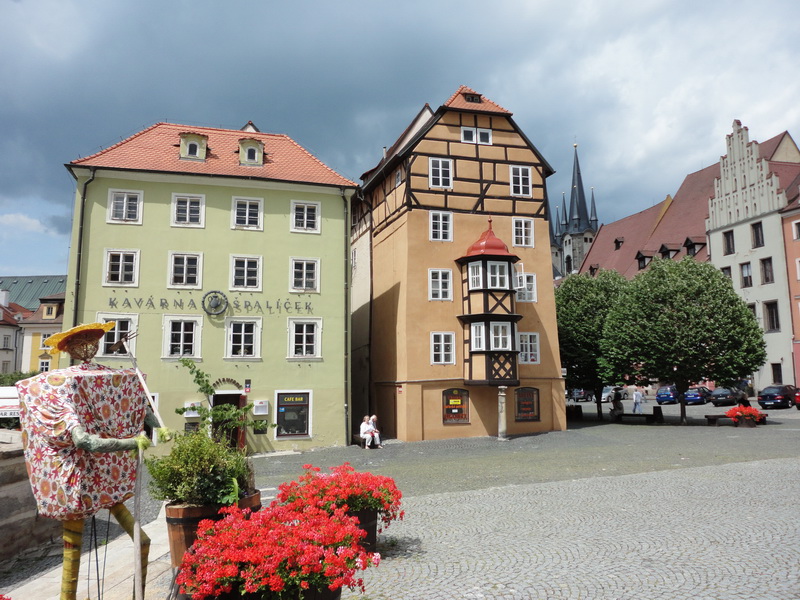
Cheb, a historic town in the westernmost part of the Czech Republic, lies close to the border with Germany and is known for its well-preserved medieval architecture and rich cultural heritage. Formerly known by its German name, Eger, Cheb has a history that dates back to the 10th century, serving as an important royal town within the Holy Roman Empire. The town is home to several architectural gems, including Cheb Castle, St. Nicholas Church, and the Albrecht Palace with its distinctive sgraffito decoration. Cheb also gained fame as the birthplace of the prominent 13th-century politician and bishop, Bruno von Schauenburg. Its unique location and central European crossroads history have given the town a blend of Czech and Germanic influences evident in its language, customs, and cuisine. Today, Cheb attracts visitors with its charming old town, tranquil atmosphere, and proximity to natural attractions like the Slavkov Forest, making it a quiet yet compelling destination in the Karlovy Vary region.

Cheb, historické město v nejzápadnější části České republiky, leží blízko hranic s Německem a je známé svou zachovalou středověkou architekturou a bohatým kulturním dědictvím. Cheb, dříve známý pod svým německým názvem Eger, má historii sahající až do 10. století, kdy sloužil jako významné královské město v rámci Svaté říše římské. Město je domovem několika architektonických skvostů, včetně Chebského hradu, kostela sv. Mikuláše a Albrechtova paláce s charakteristickou sgrafitovou výzdobou. Cheb se proslavil také jako rodiště významného politika a biskupa ze 13. století Bruna von Schauenburg. Jeho jedinečná poloha a historie na křižovatce středoevropských cest daly městu směs českých a germánských vlivů, které jsou patrné v jeho jazyce, zvycích a kuchyni. Dnes Cheb láká návštěvníky svým okouzlujícím starým městem, klidnou atmosférou a blízkostí přírodních atrakcí, jako je Slavkovský les, což z něj činí klidnou, ale zároveň lákavou destinaci v Karlovarském kraji.


  137 Hits

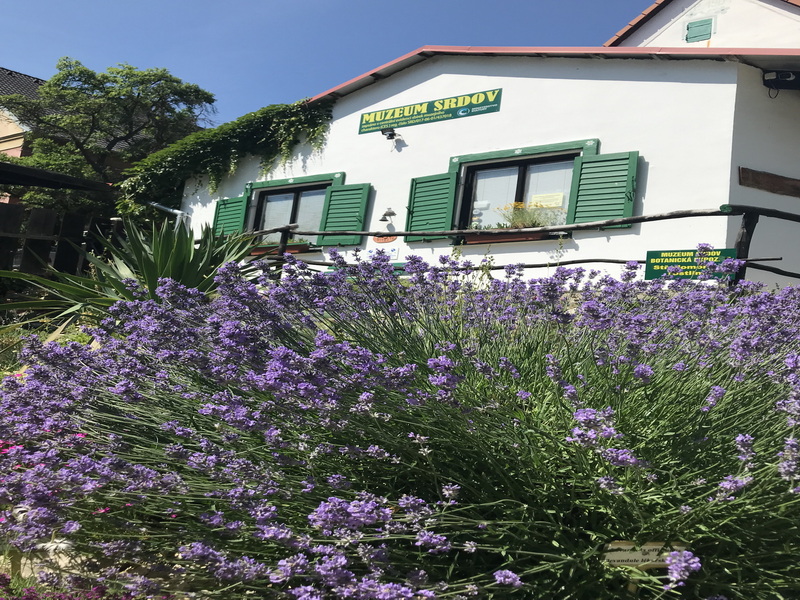
small zoo with forest animals in the small village of Srdov

A small but beautiful museum in the village of Srdov near the town of Úštěk. Inside the museum you must see precisely stuffed animals. Outside there are Mediterranean herbs, countless flowers, and a shelter for sick wild animals.


  141 Hits

Český Krumlov

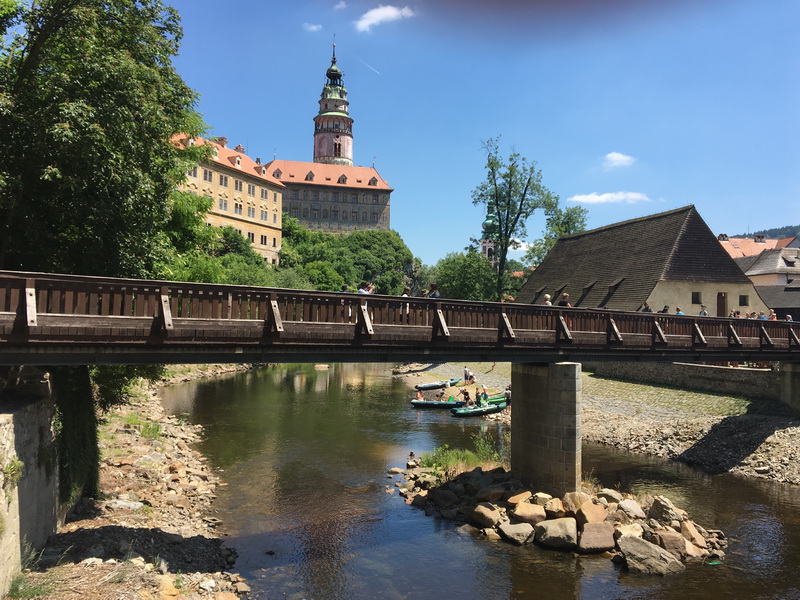
Nestled in the scenic valley of the Vltava River in the southern part of the Czech Republic, Český Krumlov is a UNESCO World Heritage Site celebrated for its remarkably preserved medieval and baroque architecture. This charming town, with roots dating back to the 13th century, unfolds around a dramatic castle complex—one of the largest in Central Europe—that towers over the winding river and cobbled streets below. Wandering through its labyrinthine alleys, visitors are transported back in time, encountering colorful Renaissance facades, quaint cafes, and artisan shops. The Český Krumlov Castle, with its ornate interiors, historic theater, and expansive gardens, offers a captivating glimpse into the region’s noble past. Surrounded by rolling hills and lush forests, the town is also a haven for outdoor enthusiasts, who can kayak the river or hike nearby trails. With its blend of natural beauty, cultural richness, and timeless ambiance, Český Krumlov remains one of Europe’s most enchanting destinations.

Český Krumlov, zasazený do malebného údolí řeky Vltavy v jižní části České republiky, je památkou světového dědictví UNESCO a oslavován pro svou pozoruhodně zachovalou středověkou a barokní architekturu. Toto okouzlující město, jehož kořeny sahají až do 13. století, se rozkládá kolem dramatického hradního komplexu – jednoho z největších ve střední Evropě – který se tyčí nad klikatou řekou a dlážděnými ulicemi pod ní. Při procházce jeho labyrintem uliček se návštěvníci přenesou zpět v čase a setkají se s barevnými renesančními fasádami, malebnými kavárnami a řemeslnými obchody. Zámek Český Krumlov se svými zdobenými interiéry, historickým divadlem a rozlehlými zahradami nabízí podmanivý pohled do vznešené minulosti regionu. Město je obklopeno zvlněnými kopci a bujnými lesy a je také rájem pro milovníky outdoorových aktivit, kteří se mohou vydat na kajakování po řece nebo se vydat na túru po okolních stezkách. Díky své kombinaci přírodní krásy, kulturního bohatství a nadčasové atmosféry zůstává Český Krumlov jednou z nejkouzelnějších destinací v Evropě.

  149 Hits

Velké Březno castle


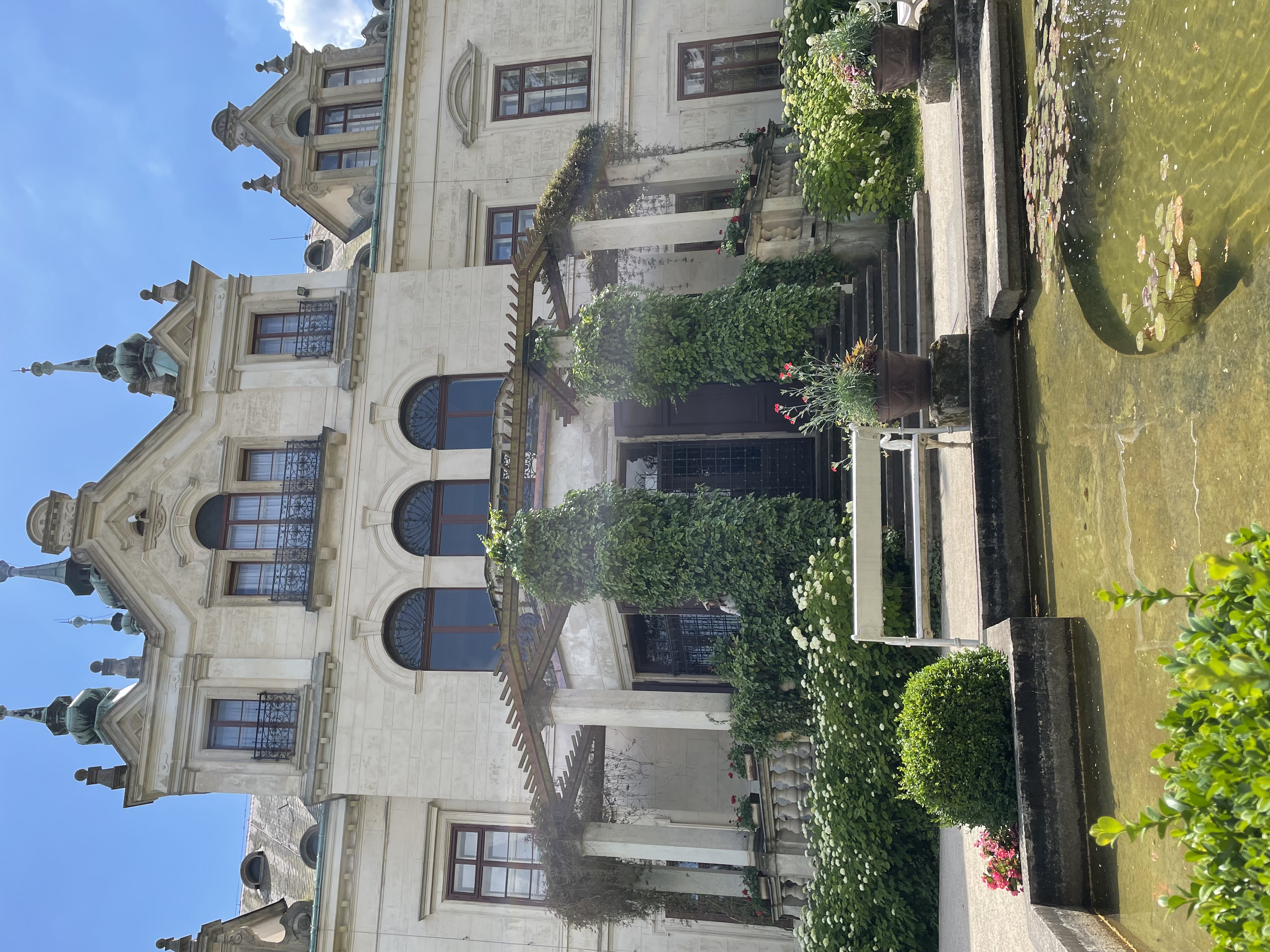
Nestled in the gentle landscape of the České Středohoří near Ústí nad Labem, Castle Velké Březno stands as a captivating testament to 19th-century romanticism. Constructed between 1842 and 1845 for the prominent noble Chotek family, this elegant country residence is a superb example of Neo-Gothic architecture, designed not for defense but for beauty and comfortable living. Its picturesque setting, with fairytale turrets and ornate detailing, creates an immediate impression of tranquil grandeur, perfectly embodying the era's fascination with the romantic ideals of the past.

Stepping inside is like entering a perfectly preserved time capsule. The castle tour guides visitors through lavishly appointed interiors that remain remarkably authentic, showcasing the family's original furnishings, intricate wood paneling, and rich stucco work. Each room, from the grand halls to the private salons, tells a story of aristocratic life, housing collections of historical weapons, exquisite porcelain, and family portraits that offer an intimate glimpse into the world of the Czech nobility. The authenticity of the spaces is the castle's greatest treasure, providing a visceral connection to the people who once called it home.

The magic of Velké Březno extends far beyond its stately walls. The castle is enveloped by a sprawling English-style park, creating a harmonious dialogue between architecture and nature. Visitors can wander along serene paths, discover charming follies, and admire the magnificent orangery and the nearby Chapel of the Annunciation. Today, managed by the National Heritage Institute, Castle Velké Březno is not merely a monument to the past but a vibrant cultural destination, offering a complete and enchanting experience that captures the romantic spirit of its age.

  139 Hits

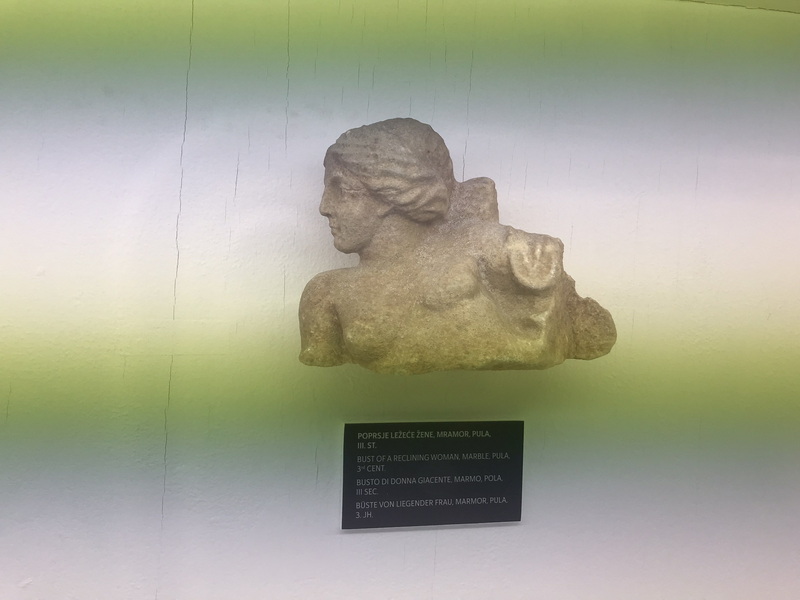
Aquarium Pula

Nestled in the historic heart of Croatia’s coastal city of Pula, the Pula Aquarium, or Akvarij u Puli, stands as a vibrant testament to the region’s rich maritime heritage and commitment to marine conservation. Housed within the grand, early 20th-century Maritime Museum building—established in 1913—the aquarium opened its doors in 1997, harmonizing history with modern ecological education. This dynamic attraction showcases the diverse marine ecosystems of the Adriatic Sea, home to over 30 carefully curated aquariums and exhibits. Visitors are invited to explore vivid coastal habitats, delicate coral reefs teeming with life, and shadowy underwater caves, marveling at species such as the elusive staghorn coral, playful octopuses, and iridescent fish native to local waters.

Interactive zones, like hands-on touch pools where visitors can gently interact with starfish and sea urchins, offer an engaging experience for families and young marine enthusiasts. Beyond its captivating displays, the aquarium plays a pivotal role in education and conservation, hosting workshops, guided tours, and research initiatives aimed at preserving the Adriatic’s fragile biodiversity. By blending immersive exhibits with a mission to protect coastal ecosystems, Aquarium Pula invites guests to appreciate the wonders of the sea while fostering a deeper understanding of marine life’s delicate balance. For travelers seeking both discovery and inspiration, this hidden gem offers a unique opportunity to connect with the Adriatic’s underwater world, one tank at a time.

Pulské akvárium, neboli Akvarij u Puli, zasazené v historickém srdci chorvatského pobřežního města Pula, je živým důkazem bohatého námořního dědictví regionu a jeho závazku k ochraně moří. Akvárium, které sídlí ve velkolepé budově Námořního muzea z počátku 20. století, založeného v roce 1913, otevřelo své brány v roce 1997 a propojuje historii s moderní ekologickou výchovou. Tato dynamická atrakce představuje rozmanité mořské ekosystémy Jaderského moře a je domovem více než 30 pečlivě spravovaných akvárií a exponátů. Návštěvníci jsou zváni k prozkoumání živých pobřežních biotopů, křehkých korálových útesů hemžících se životem a stinných podvodních jeskyní, kde mohou obdivovat druhy, jako je nepolapitelný korál staghorn, hravé chobotnice a duhové ryby pocházející z místních vod. Interaktivní zóny, jako jsou interaktivní bazény, kde si návštěvníci mohou jemně prohlížet hvězdice a mořské ježky, nabízejí poutavý zážitek pro rodiny a mladé nadšence do moře. Kromě poutavých expozic hraje akvárium klíčovou roli ve vzdělávání a ochraně přírody, pořádá workshopy, prohlídky s průvodcem a výzkumné iniciativy zaměřené na ochranu křehké biodiverzity Jadranu. Akvárium Pula kombinuje pohlcující exponáty s posláním chránit pobřežní ekosystémy a zve hosty k obdivování mořských krás a zároveň jim umožňuje hlubší pochopení křehké rovnováhy mořského života. Pro cestovatele hledající objevy i inspiraci nabízí tento skrytý klenot jedinečnou příležitost spojit se s podmořským světem Jadranu, jednu nádrž po druhé.

  129 Hits

Šumava menhirs in Volary

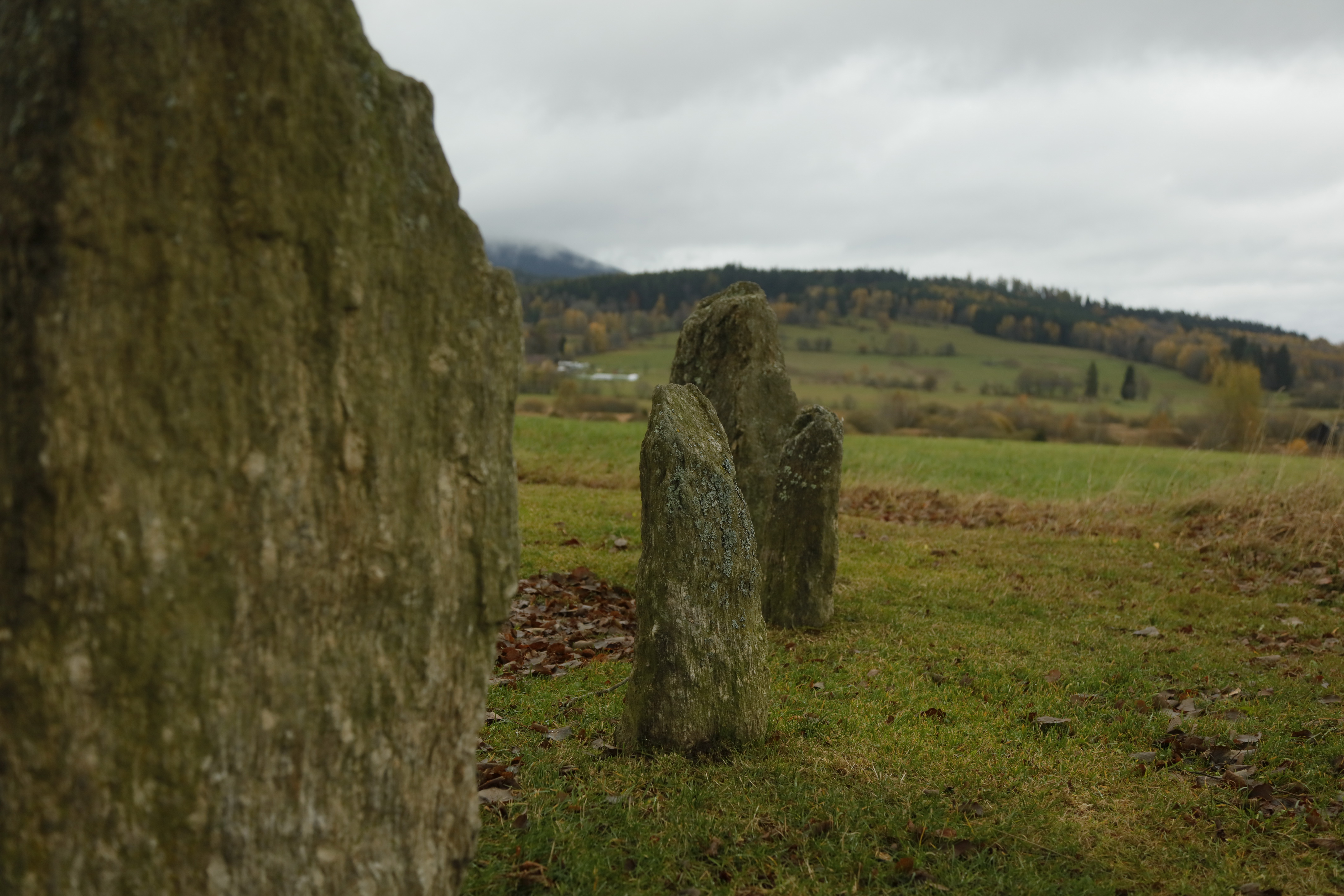
The Menhirs of Volary are a mysterious and evocative prehistoric site located in the scenic landscape of the South Bohemian Region in the Czech Republic. Comprising several upright standing stones, or menhirs, arranged in a deliberate formation near the town of Volary, this archaeological site dates back to the Neolithic or possibly the early Bronze Age, though its exact origins remain uncertain. These weathered granite monoliths, some towering over two meters high, are believed to have held ceremonial, astronomical, or territorial significance for the ancient communities that erected them. The isolated location, nestled among rolling hills and dense forests, adds to the enigmatic atmosphere of the site. While much about the Menhirs of Volary remains shrouded in mystery, ongoing research and growing interest in Central Europe’s megalithic heritage continue to shed light on their cultural and spiritual importance. Today, the site attracts historians, archaeologists, and curious visitors alike, offering a tangible connection to the distant past and a silent testament to the sophistication of early European societies.


Volarské menhiry jsou tajemným a evokativním prehistorickým nalezištěm, které se nachází v malebné krajině Jihočeského kraje v České republice. Toto archeologické naleziště, které se skládá z několika vzpřímeně stojících kamenů neboli menhirů, uspořádaných v úmyslné formaci poblíž města Volary, pochází z neolitu nebo možná z rané doby bronzové, ačkoli jeho přesný původ zůstává nejistý. Tyto zvětralé žulové monolity, některé tyčící se do výšky přes dva metry, měly pravděpodobně ceremoniální, astronomický nebo územní význam pro starověké komunity, které je postavily. Izolovaná poloha, zasazená mezi zvlněné kopce a husté lesy, dodává na záhadné atmosféře lokality. Zatímco mnoho z volarských menhirů zůstává zahaleno tajemstvím, probíhající výzkum a rostoucí zájem o megalitické dědictví střední Evropy i nadále osvětlují jejich kulturní a duchovní význam. Dnes toto naleziště přitahuje historiky, archeology i zvědavé návštěvníky a nabízí hmatatelné spojení s dávnou minulostí a tiché svědectví o sofistikovanosti raných evropských společností.

  140 Hits

Zvíkov Castle

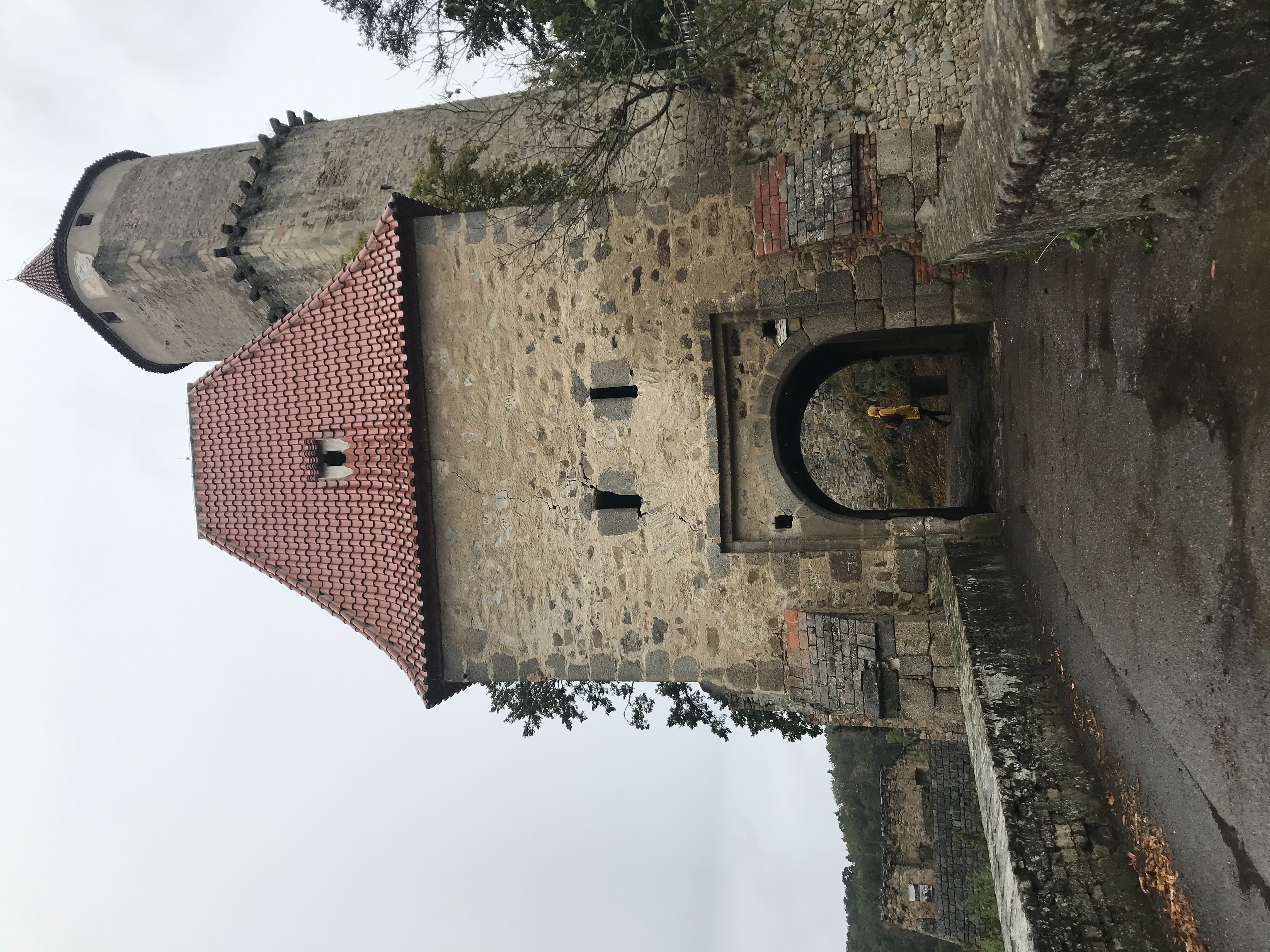
Nestled in the picturesque Vysočina region of the Czech Republic, between the towns of Třebíč and Veselá, Zvíkov Castle stands as a remarkable testament to medieval and Renaissance architecture. Originally a 13th-century Gothic fortress, its strategic location near the border of Moravia and Bohemia made it a site of historical conflict and transformation. Converted into a Renaissance residential palace in the 16th century by the influential Rožmitál family, the castle harmoniously blends medieval fortifications with Renaissance elegance. Notable for its exquisite stone labyrinth, an iconic 15th-century puzzle garden, and the opulent Library Room adorned with 16th-century frescoes and antique tapestries, Zvíkov offers a window into the era’s artistic and intellectual life. The castle’s history is marked by pivotal events, including the 1421 Battle of Zvíkov during the Hussite Wars, which left it in ruins before its subsequent restoration. Today, Zvíkov Castle is a UNESCO World Heritage Site and a protected cultural monument, celebrated as one of Europe’s best-preserved Renaissance strongholds. Its Renaissance gardens, featuring symmetrical layouts and sculpted hedges, complement the castle’s grandeur, while nearby attractions like the Rožmitál family’s Chateau Zvíkov and the neighboring town of Litomyšl add to the region’s historical charm. A visit to Zvíkov Castle is a journey through centuries of artistry, resilience, and the enduring legacy of Central Europe’s past


  152 Hits

Castle Zákupy

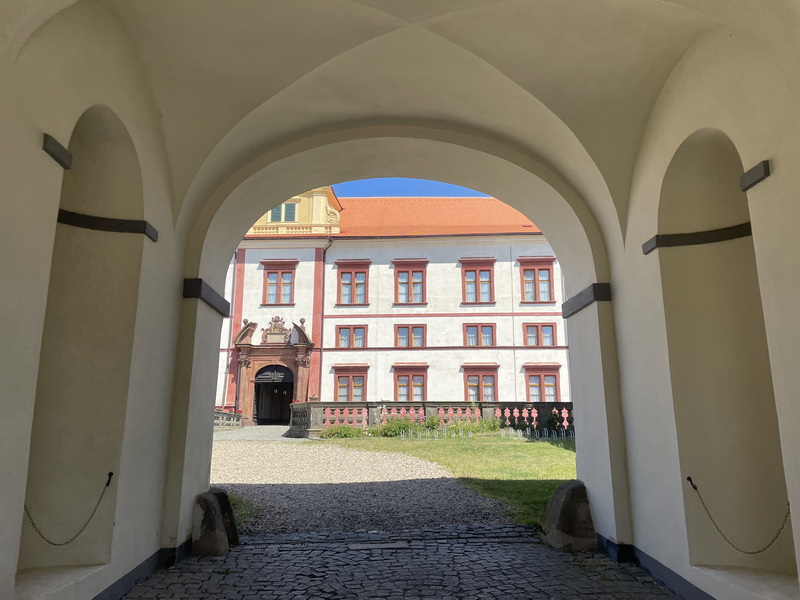
Nestled in the picturesque village of Zákupy, nestled in the Central Bohemian Region of the Czech Republic, Zákupy Castle stands as a testament to the grandeur of 17th-century noble architecture. Built around 1630 by the influential Kolovrati family, this fortified residence initially served as a strategic stronghold before evolving into a magnificent Baroque-style palace. Blending Renaissance and Baroque elements, its design features an elegant U-shaped layout with prominent towers, a family chapel dedicated to Saints Vitus and Anebog, and lavish interiors that showcase ornate stuccowork and period furnishings. The castle is renowned for preserving one of the largest private noble archives in Central Europe—the Kolovrati Archives—containing tens of thousands of historical documents, letters, and artworks, offering invaluable insights into Bohemian history. Today, the castle’s main wing functions as a luxury hotel and conference center, while the archives and select exhibitions remain open to visitors, inviting them to explore its storied past. The surrounding Baroque gardens and scenic proximity to the Bertramka River add to its allure, making Zákupy Castle a captivating destination where history and natural beauty intertwine.


  156 Hits

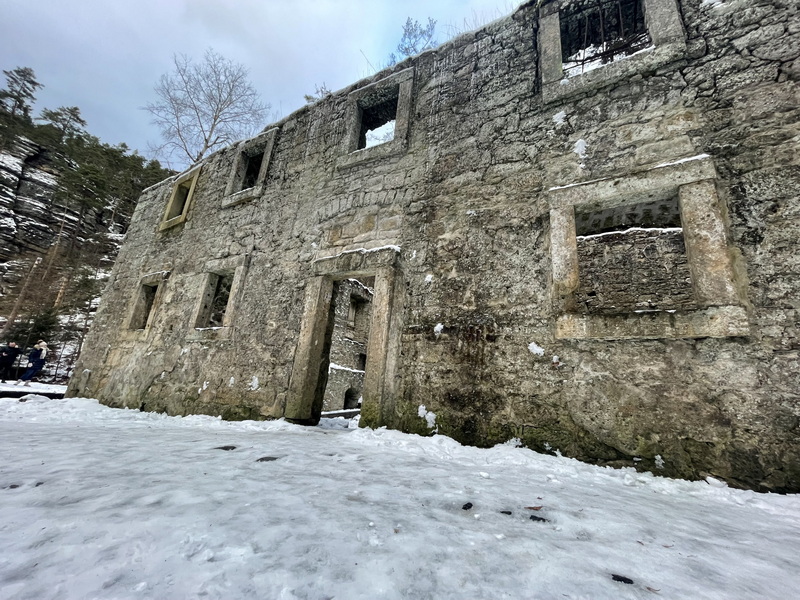
Ruins of Dolský mlýn in Bohemian Switzerland

Perched on a moss‑clad outcrop above the winding Kamenice River, the skeletal remains of Dolský Mill—locally called Dolní mlýn—loom like a stone‑weathered sentry over the rugged heart of Bohemian Switzerland. The mill was erected in the early 19th century, when the Habsburg empire sought to harness the region’s abundant water power for grain grinding and timber sawing. Its timber frame, later reinforced with local sandstone, once housed a waterwheel that turned relentlessly in the river’s frothy currents, feeding a modest community of millers and their families who lived in the adjoining thatched cottages.

The mill’s fortunes waned after World War II. With the collectivisation of agriculture and the decline of small‑scale industry, the waterwheel fell silent, the roof collapsed under the weight of snow, and the stone walls began to crumble, succumbing to the relentless kiss of wind, rain and the ever‑present mist that shrouds the sandstone cliffs. By the 1970s, the building was nothing more than a ruin—its crumbling arches framing a dramatic tableau of nature reclaiming the man‑made.

Today, Dolský Mill is a beloved ruin for hikers, photographers, and lovers of romantic decay. A narrow trail, marked by wooden posts and occasional informational plaques, leads visitors from the valley floor up to the site, offering panoramic views of the Kamenice gorge, the towering sandstone towers of the Pravčická brána, and the dense pine‑wooded valleys beyond. In the golden light of sunrise or the amber glow of dusk, the ruins take on an almost ethereal quality: moss‑laden stones glint, the river below murmurs a timeless lullaby, and the occasional songbird provides a fragile soundtrack to an otherwise silent monument.

The ruins stand as a reminder of the region’s layered history—of human endeavour pressed against a landscape that is simultaneously generous and indifferent. They whisper of a bygone era of rural industry, while simultaneously inviting contemplation of the delicate balance between cultural heritage and the inexorable forces of nature. For anyone wandering through Bohemian Switzerland, a pause at Dolský Mill offers a poignant glimpse into the past, a breath of fresh mountain air, and an invitation to imagine the countless hands that once turned the great wheel beneath these very stones.

  161 Hits

beautiful and frosty view from Kalich Castle

Perched atop a striking basalt hill in the Bohemian Uplands of the Czech Republic, lies the evocative ruin of Kalich Castle. More than just a dismantled fortress, Kalich is a profound symbol of the Hussite Wars and the strategic genius of its builder, Jan Žižka. Constructed by the legendary one-eyed Hussite commander in 1421, it was a crucial stronghold during the tumultuous religious conflicts of 15th-century Bohemia. Its very name, 'Kalich' (Chalice), served as a powerful emblem of the Hussite movement, representing the right of all believers to communion in both bread and wine – a central tenet they fought for. Today, only fragmented walls and the impressive basalt rock formations that once formed its natural defenses remain. These dramatic geological features not only provided a formidable barrier but also offered breathtaking panoramic views of the surrounding countryside, a strategic advantage Žižka surely exploited. The wind still whispers tales through its ancient stones, inviting hikers and history enthusiasts to ascend its slopes. The ascent rewards visitors not just with unparalleled vistas, but with a palpable sense of history, solitude, and the enduring spirit of a bygone era. Kalich Castle stands as a poignant testament to a pivotal chapter in Czech history, a place where strategic prowess, religious conviction, and dramatic natural beauty converge, forever etched into the landscape and memory.

  233 Hits

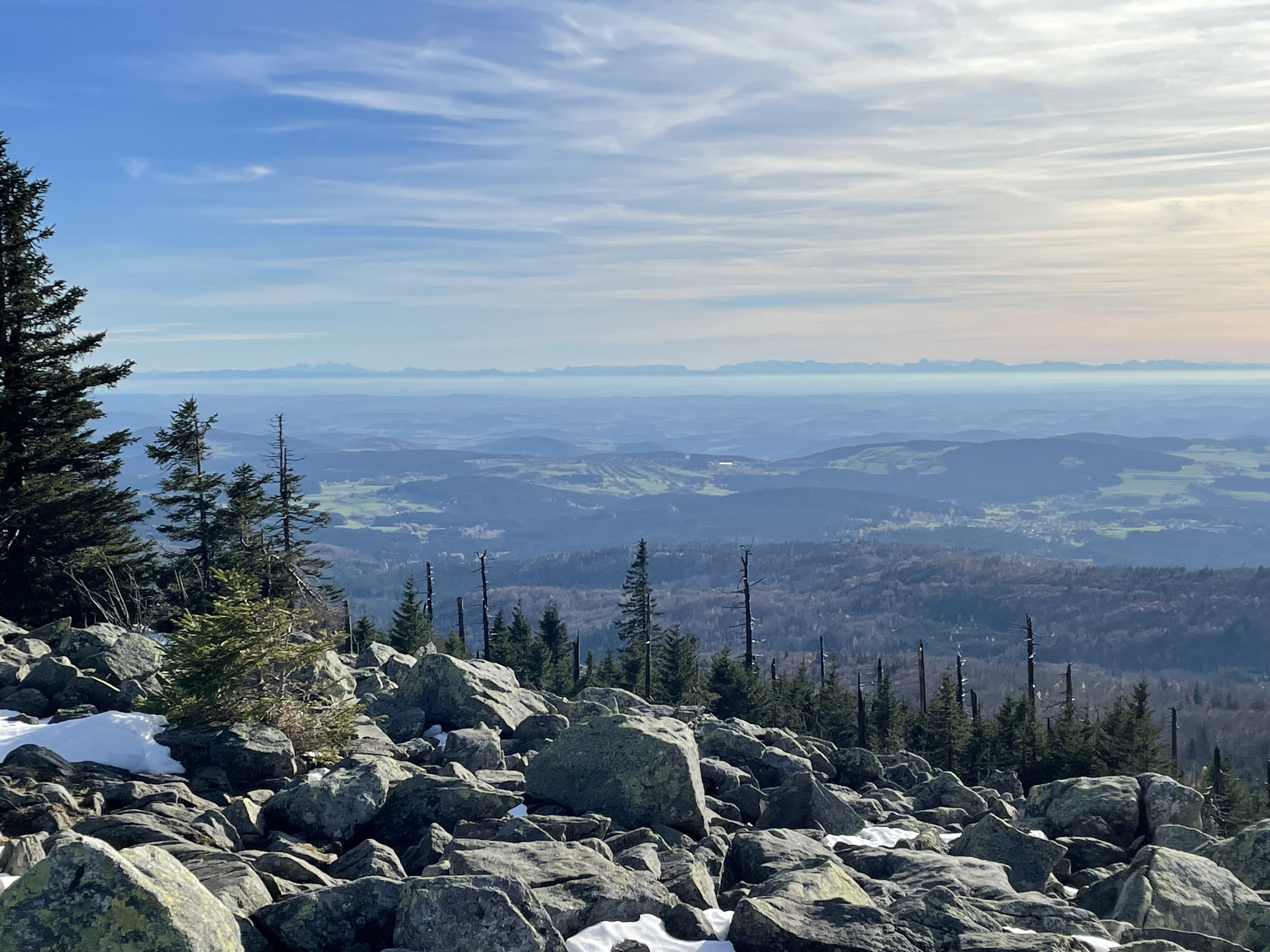
Beautiful view from Mount Luzný of the distant Alps

Rising prominently within the heart of the Šumava National Park, the Luzný (Plechý) mountain ridge serves as more than just a topographic high point; it is a silent sentinel and a crucial geographical pivot in Central Europe. While the main peak, Plechý, barely crests the treeline, its slopes are defined by unforgiving granite and remnants of glacial activity, most famously the sheer walls overlooking the dark waters of Plešné Lake. More significantly, the Luzný mass straddles the Great European Watershed, dividing waters that flow north via the Vltava and Elbe rivers toward the North Sea from those that feed the Danube basin and ultimately empty into the distant Black Sea. This ancient divide gives the area a profound sense of isolation and raw ecological power. Today, Luzný and its surrounding peat bogs embody the wild heart of the Šumava, offering visitors rugged trails that trace the historically sensitive border between the Czech Republic and Germany, a landscape where thick, primeval forest meets subalpine heaths scarred by wind and time.


  219 Hits

New World in Prague Quarter

While millions of visitors inundate Prague’s grand, monumental centers—the Old Town Square and Charles Bridge—a quieter, almost forgotten pocket of history lies tucked beneath the ramparts of Hradčany. This unique enclave, aptly named Nový Svět (New World), is a serene paradox: a small, centuries-old quarter that truly feels like stepping into a separate, tranquil era. Its charm resides in the irregular geometry of its cobblestone lanes, which wind narrowly between diminutive, brightly colored Baroque and Renaissance houses. Many of these structures, originally home to castle employees, goldsmiths, and artisans, retain the humble, village-like intimacy lost in the city's more massive thoroughfares. Nový Svět invites travelers to escape the tourist din, offering instead the gentle echo of footfalls and the soft light filtering through narrow arches, allowing one to experience Prague not as a bustling capital, but as a collection of preserved, almost hidden dreams.


  261 Hits

Dry magical autumn forest

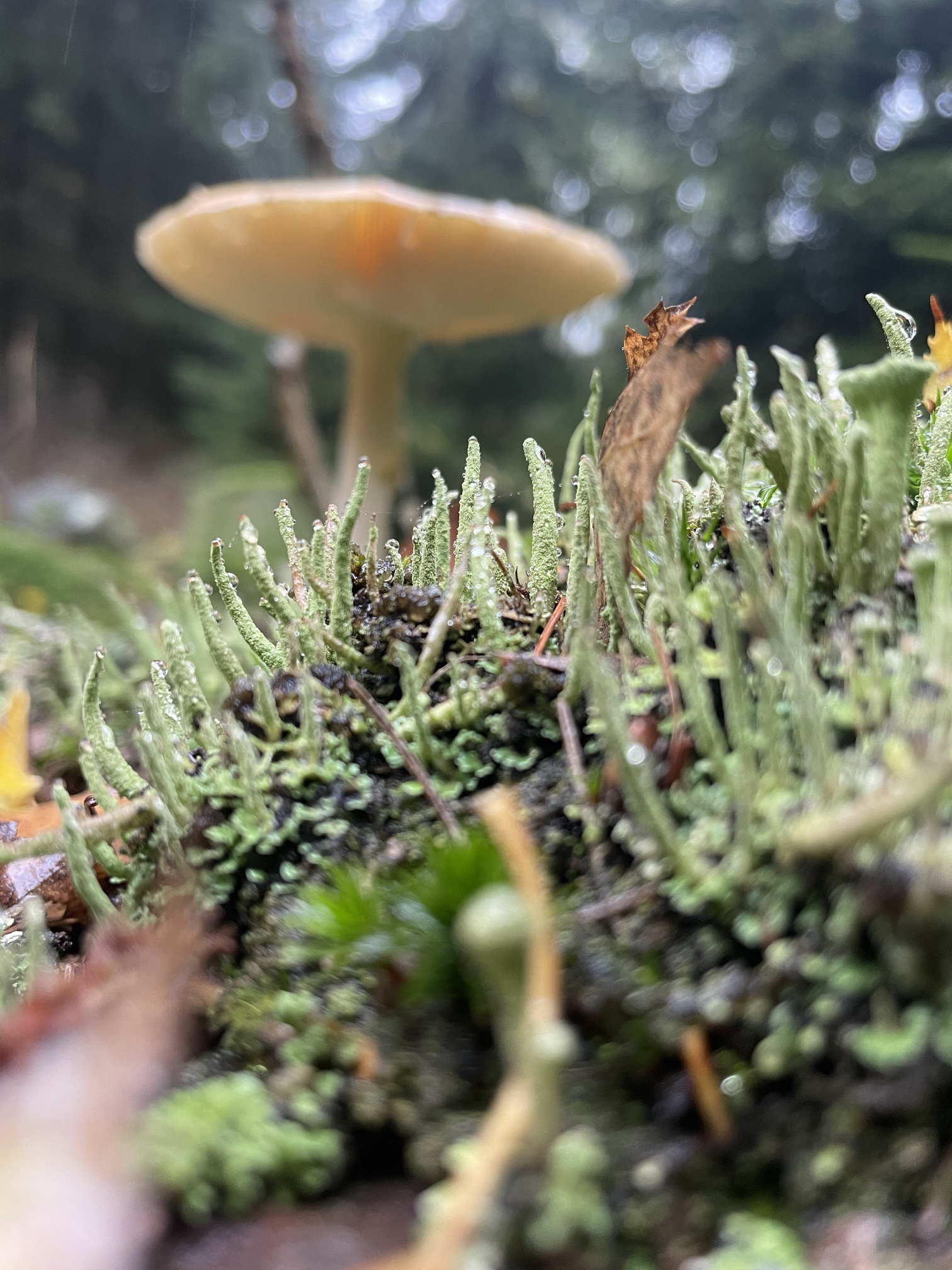
The autumn forest is a symphony of golden hues and earthy scents, where the air, crisp and often dry, carries the perfume of decaying leaves and cool, damp earth. Beneath the rustling canopy of crimson and gold, a secret world unfurls across the forest floor: mushrooms. These fascinating fungi emerge in a dazzling array of shapes, sizes, and colors, from the vibrant caps of toadstools peeking out like tiny jewels, to the more discreet, shelf-like growths clinging to ancient, moss-covered logs. The dry crunch of fallen leaves underfoot contrasts beautifully with the hidden dampness where mycelial networks thrive, creating the perfect conditions for these ephemeral organisms to complete their brief, vital life cycle, adding another layer of mystery and wonder to the season of mellow fruitfulness and quiet contemplation.

  224 Hits

Šumava autumn landscape and interesting trips

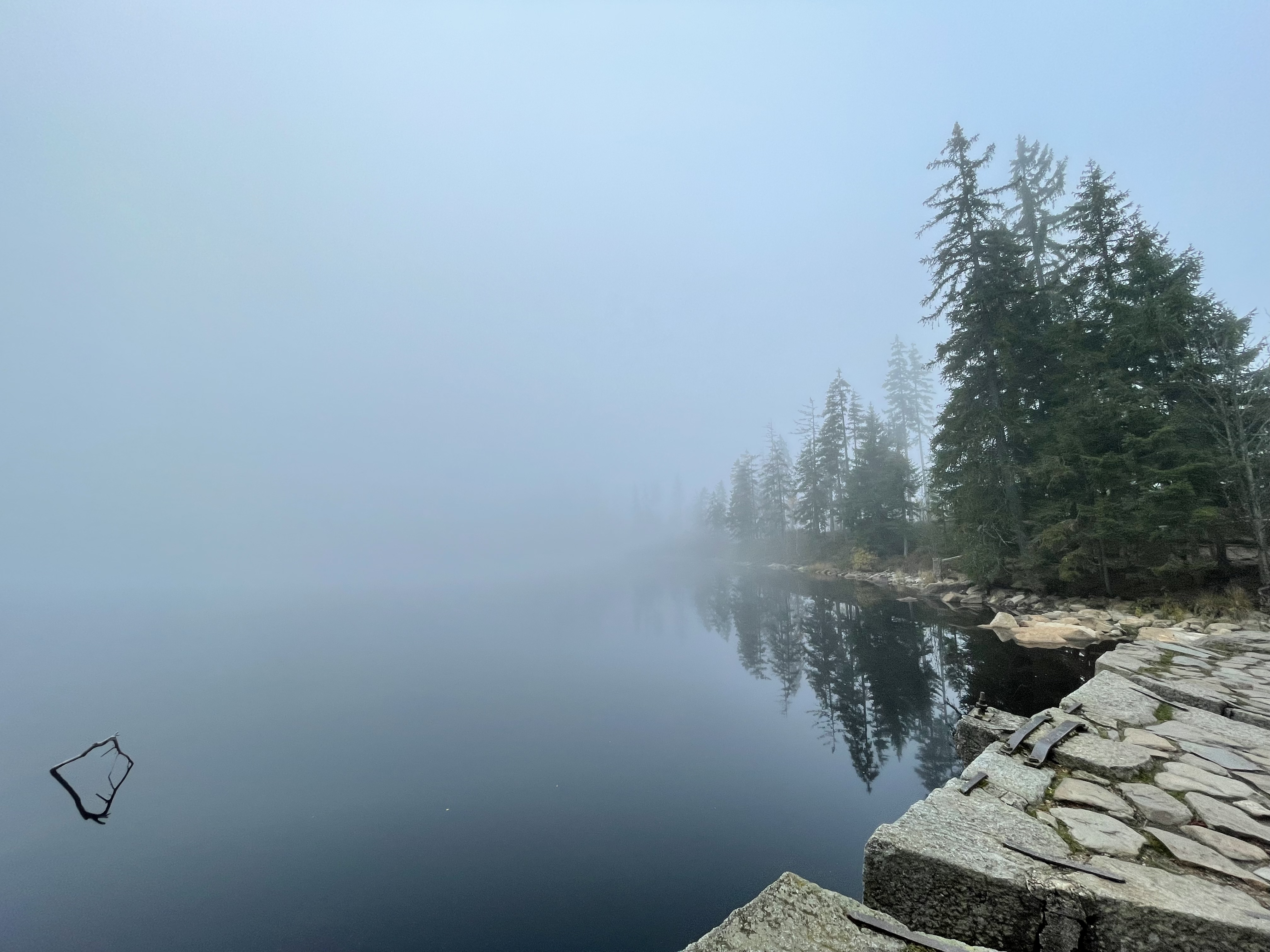
As autumn paints the Šumava mountains in fiery hues of red, gold, and bronze, the landscape transforms into a breathtaking spectacle. Crisp air carries the scent of damp earth and decaying leaves, creating an invigorating atmosphere for exploration. This is the perfect time to embark on memorable trips to iconic locations like the Black Lake and Cenkova Sawmill.

The Black Lake, a glacial lake nestled deep within the forest, takes on an even more mystical aura during autumn. The surrounding trees reflect in its dark, still waters, creating an ethereal mirror image of the vibrant foliage above. Hiking trails around the lake offer stunning vantage points and opportunities to immerse yourself in the tranquility of the surrounding nature.

A visit to Cenkova Sawmill, a historic water-powered sawmill, provides a fascinating glimpse into the region's industrial past. Witnessing the ingenuity of the traditional machinery in action against the backdrop of a stunning autumn landscape is a truly unique experience. The rhythmic sounds of the waterwheel and the creaking timber blend harmoniously with the natural symphony of the season, creating a captivating sensory journey.


  946 Hits

Wax figures in Krumlov

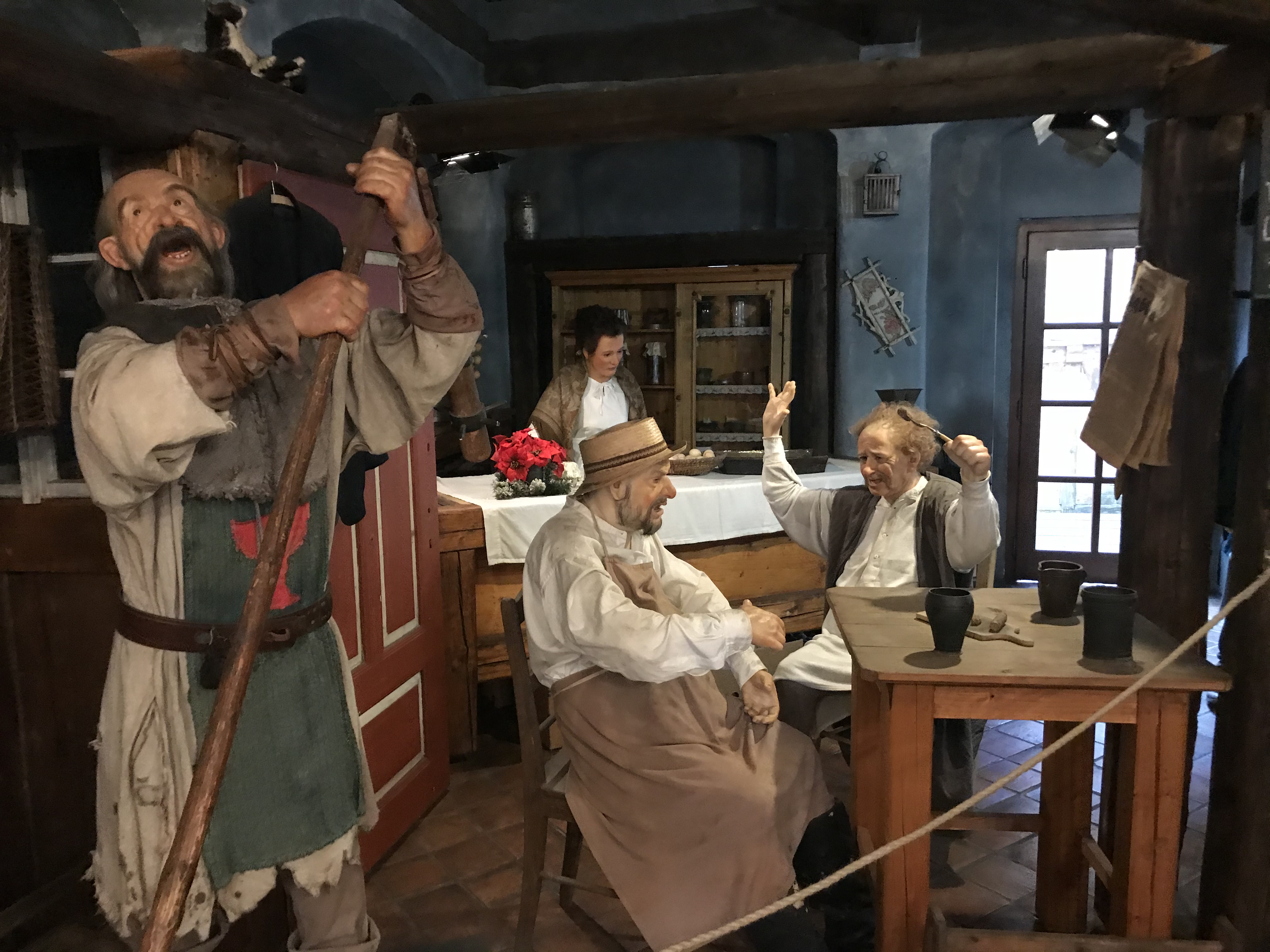
The charming town of Český Krumlov, with its UNESCO World Heritage designation, offers more than just picturesque architecture and a winding river. Tucked away within its historic streets is a fascinating collection of wax figures that bring the past to life. These meticulously crafted sculptures depict notable figures from Bohemian history, local legends, and even scenes of everyday life from centuries ago. A visit to the wax museum in Krumlov offers a unique and engaging way to connect with the town's rich history and imagine what life was like within its ancient walls.

  972 Hits

Morning spring fog in beautiful nature and flowers

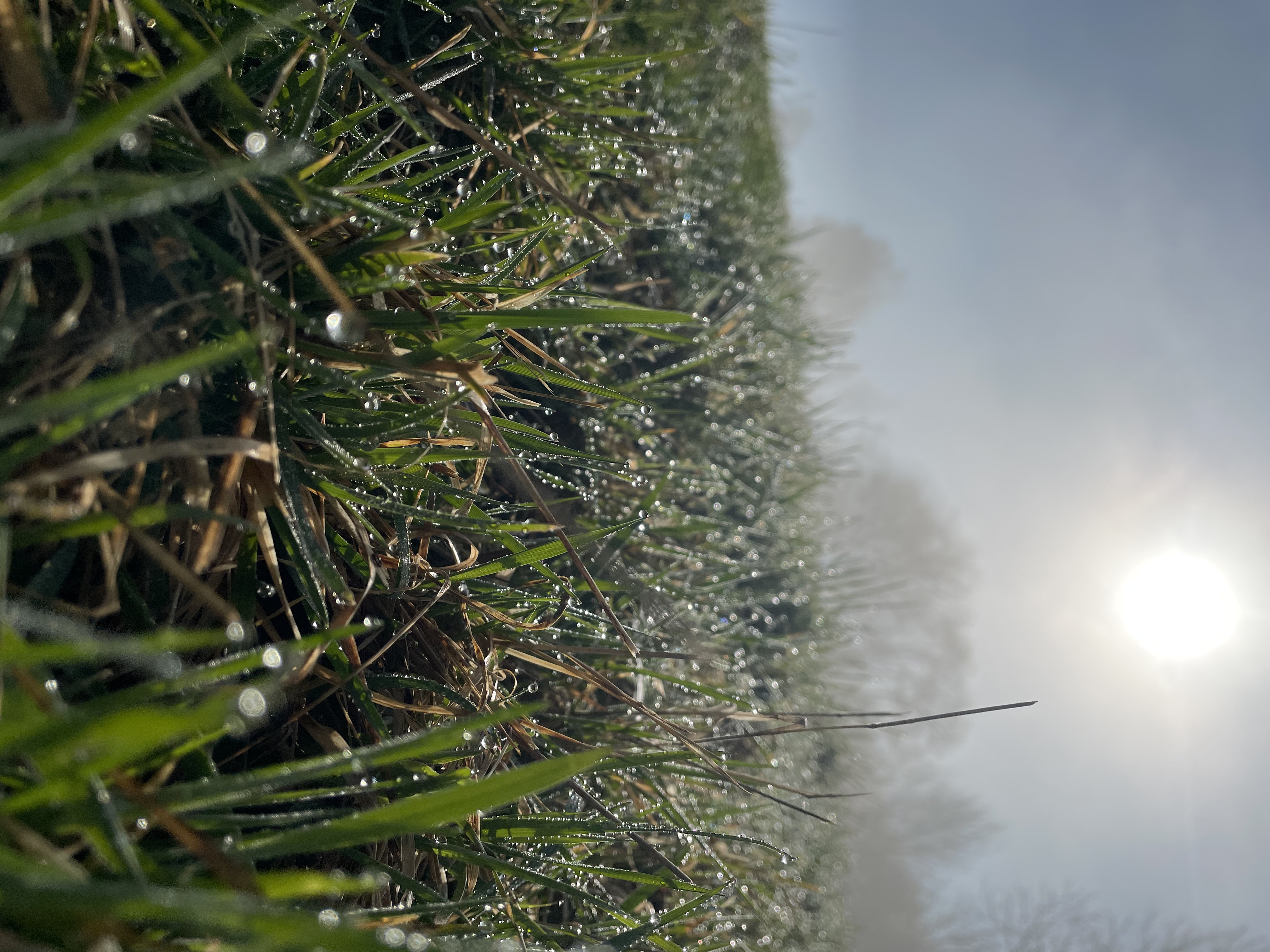
The morning air hung crisp and cool, a gentle caress on the skin as the spring fog swirled and danced through the awakening landscape. Tendrils of ethereal mist snaked through the newly sprouted green, obscuring and revealing in equal measure. Dew-kissed petals of vibrant wildflowers, painted in hues of lavender, crimson, and gold, peeked shyly from beneath the misty veil. The fog softened the edges of the world, creating a dreamy, almost surreal vista, where the boundaries between earth and sky blurred into a canvas of muted color and tranquil beauty. The sweet, earthy scent of damp soil mingled with the delicate perfume of blossoms, a symphony of aromas that perfectly captured the magic of spring's gentle embrace.

  677 Hits